
Things to Keep in mind before buying an inverter
information got from http://www.techlineinfo.com
Boiling summer is just few weeks
ahead, scheduled and unscheduled power cuts are expected as usual.
Inverters are one of the most demanded products of summer season. Are
you planning to buy or upgrade your inverter in this season? Then
instead of being trapped in the marketing gimmicks, understand some
basic facts and do a little bit home work. Here some facts you must know
before buying an inverter
 Calculate your power requirements
Before going to purchase an inverter-
You have to make a rough estimation of your power requirements.
remember- Inverter is not a Generator. Inverter has it’s own
limitations. You can’t power and run your complete home with a normal
inverter. If your power requirement is more than 3000 VA, then an
inverter alone can’t cater your demands effectively. No doubt a high
power inverter can run your refrigerator and air conditioners, but how
long? Here your battery will not last more than few hours. Hence it it
better to go for a home generator. However if you don’t want a single
minute power downtime, then a power inverter – electric generator
combination is a good option.
Wattage rating of typical home appliances
| Appliances | Power |
| Fan (Ceiling) | 50-75 Watts |
| Fan (Table) | 25-50 Watts |
| CFL 18 Watts | 18 Watts |
| Computer (Desktop) | 80- 150 Watts |
| Laptop | 20- 75 Watts |
| LCD TV (32”) | 150 Watts |
| Refrigerator | 160 – 250 Watts |
| Tube Light (4 Feet) | 40 Watts |
Starting power and running power
Starting and running power requirement
of all electric appliances are different. An 18 Watts CFL takes around
25 Watts power to start and after few seconds it stabilizes to 18 Watts.
Some appliances like Refrigerator, Washing Machine etc take almost
double power to start as compared to the normal running power. Hence
before selecting an inverter you must calculate the starting power
requirement also.
Difference between VA and Watts
Often people confuse with the difference
between Watts and VA ratings of inverter or other home appliances.
Manufacturers use both these terms according to their requirements to
confuse and mislead the consumers. Power drawn by the equipment (Power
using equipment like Bulb, Fridge, Washing Machines, ACs, Stabilizers
etc.) and Power generated by the equipment (Generators, Inverters, UPS
etc) can be expressed in Watts or VA (Volt Ampere). In general Power
generating or stabilizing equipment manufacturers use the term VA to
specify their ratings and power consuming products use Watts to specify
their ratings. Here comes the difference. Power in Watts is the real
power drawn or supplied by an equipment, this is the real value. VA is
the apparent power (more theoretical) which is obtained by multiplying
the Voltage and Current drawn/supplied by an equipment. We can equate
the VA and Watts ratings:
Power in Watts = Power in VA- Losses
or
Power in Watts = Power in VA x Efficiency of the equipment
The ratio of Power in Watts to Power in VA is termed as Power factor. Unfortunately manufacturers often don’t specify the power factor or efficiency in their products.
Let’s see an example. You are purchasing
an inverter with 650 VA power ratings. This 650 VA indicates, it can
supply 650 VA power under ideal situations( means efficiency of the
inverter is 100%). If we take 80% as a typical efficiency figure, the
said inverter can supply 80% of 650 = 520 Watts only. Now you can
understand why inverter manufacturers only publish the VA rating on
their products. If an inverter or UPS is coming without mentioning power
factor, you must take a safe value of 0.6 (60%) as power factor while
connecting appliances.
Inverter or Home UPS?
Nowadays we can see a new segment in
inverter market- Home UPS. Functionally both inverter and UPS do the
same job- Converting Direct Current from batter to Alternating Current
which is used as a backup power generating device in case of mains
power failure. UPS as the name suggest provide Uninterrupted Power
Supply to equipment. The equipment will not feel the switching delay
from mains to UPS supply. Switching over time of a typical UPS is 3 to 5
Milli Seconds only. A standard inverter takes around 500 Milli seconds
which is unacceptable for the electronics devices like computers,
Modems, Routers, printers etc.
Home UPS is a combination of Inverter
and UPS. Here the switching delay of inverter has been brought down to
UPS standard. Hence you need not to go for a separate UPS for PCs and
associated devices. One thing you must remember- UPSs are further
classified in to three- Offline, Online and Line interactive. Home UPS
are normally Offline only, hence they cannot replace your online UPS
requirements to drive sophisticated devices.
Digital Inverter
What is digital in inverters? First
generation inverters were using power transistors as switching devices
and transistorized circuitry for monitoring/controlling applications.
That is an old story. Nowadays inverter technology has changed a lot. A
complete transition from old square wave technology to Pure Sine wave
technology with the help of advanced Digital Signal Processing (DSP)
techniques. Micro controllers are extensively utilized for précised
monitoring and controlling applications. Switching transistors are
replaced with high efficient MOSFETs.
Battery
Batter- the vital part of inverter.
Performance and life of an inverter is greatly depends upon battery. We
can see several classifications of inverter batteries. Normally high
power Lead Acid batteries are used to power inverters. Lead acid
batteries are classified in to different types as per application,
design, technology etc.
Battery Capacity
Capacity of a battery is expressed in
terms of Ampere Hour (Ah). It indicates the rate of current a battery
can supply for a given duration. If the capacity of a battery is 100 Ah,
that battery can supply 100 Ampere current for 1 Hour or 1 Ampere
Current for 100 Hrs, 2 Amps Current for 50 Hrs .Capacity of inverter
batteries are generally 100 Ah, 150 Ah or 180 Ah.
Why automotive batteries are not suitable for inverters?
Lead acid batteries used for automotive
purpose are termed as “High Cycle” lead acid batteries. These batteries
are designed to provide high current for a very short duration (To start
the vehicles). Automotive lead acid batteries are not designed to be
regularly discharged by more than 25% of their rated capacity. Here the
requirement of inverter is totally different. Inverter require “Deep
Cycle” type batteries to provide continuous power which can be
discharged at least 50% of their rated capacity. Some good deep cycle
batteries can be discharged over 80% of their capacity. Deep Cycle
batteries have specially designed thick plates to withstand frequent
charging and discharging.
Maintenance Free batteries
Lead acid batteries require regular
maintenance. You have to check the electrolyte level and require to be
topped up on regular intervals. Moreover these batteries release
poisonous gases during charging and discharging. If you don’t keep the
batteries in a properly ventilated place, it can invite serious health
problems. You have to keep the terminals of normal lead acid batteries
corrosion free by applying petroleum jelly or grease regularly.
Maintenance free batteries are sealed lead acid batteries which do not require topping up or additional ventilation.
Disadvantages of Maintenance free batteries:
- Cost of Maintenance free batteries are very high as compared with normal lead acid batteries.
- Life- Life of maintenance free batteries are comparatively low. For example if a normal lead acid battery run for 3 years, you can expect 2 years from a maintenance free battery.
- Scrap value- You will not get much more from a maintenance free battery as scrap.
If you like a fit and forget inverter
system or your situations don’t permit you to do periodic maintenance of
batteries then go for a maintenance free battery. Let me quote one
example- My friend uses Maintenance free batteries in his home because
his old aged mother is living alone and she don’t have enough knowledge
on battery maintenance. In that situation maintenance free battery is a
right choice.
Tubular batteries
This is the most popular segment of
inverter batteries-Tubular batteries have several advantages compared to
flat plate batteries. More complex design increases the manufacture
cost but the high electrical efficiency and extra long life make tubular
batteries suitable for both domestic and industrial applications. A
good maintained tubular battery can run unto 8 years or more. Tubular
batteries comparatively require less maintenance. Cost of tubular
batteries can go up to double of a normal flat plate battery, however if
you have a high efficiency inverter then go for a tubular battery, you
will not regret. Almost all popular battery brands in India like Exide,
Prestolite, Amaron etc have specially designed tubular batteries for
inverters.
Batteries from Inverter manufacturers
We can see that almost all inverter
manufacturers supplies battery along with inverter. I strongly
suggest-don’t go for such batteries. This is a simple business
technique, often they just market batteries on their brand name. As
battery costs more than inverter, it is always better to go for a
reputed and trusted battery brand. I have personal experience with Exide
and Prestolite tubular batteries. Exide Invatubular batteries run
flawlessly upto 5 years.
Local made batteries
We can see a common trend- People often
go for branded inverter and local battery combination. Local batteries
costs around 60% of the cost of same rated tubular batteries. However I
don’t recommend local batteries because of the following reasons:
- Poor life: A well maintained local battery can run maximum up to 3 years.
- Poor efficiency: Electrical efficiency of local batteries are very poor, which requires more time to charge.
- Safety hazards: Lead acid batteries are very much prone to explosion if not maintained well. We have witnessed several battery explosion incidents. Poor quality of safety vent plugs, casings, impure lead and acids increase the chances of accidents.
- More maintenance: We can see that local batteries require more maintenance because of poor efficiency.
Flat Plate Batteries |
Tubular Batteries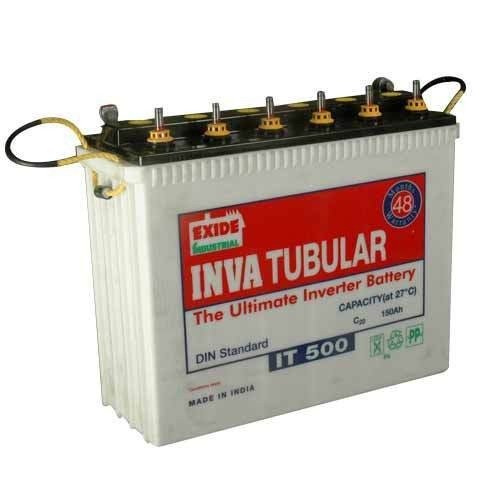 |
Maintenance Free Batteries (Sealed lead acid)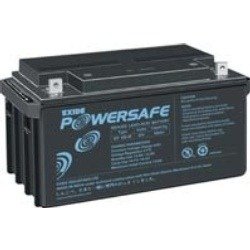 |
|
| Battery Life Span | Low (~ 3 Yrs) | High(~ 5 Yrs) | Medium (3 to 4 Yrs) |
| Maintenance | High | Medium | Low |
| Cost | Low | High | High |
| Safety | Low | Low | High |
| Efficiency | Low | High | Medium |
| Scrap Value | High | High | Low |
Warranty/Guarantee of Battery
First of all understand the difference
between Warranty and Guarantee- Under the terms of Warranty you will get
the maintenance and repair of items in free of cost but no replacement.
A product under Guarantee will be get replaced in case of malfunctions.
Normally we can see batteries are marketed under guarantee + warrantee
combination , ie first few years Guarantee and after that warranty. Some
brands offer even 48 months warranty. As battery is the costly and
vital part of your inverter system, go for a brand which offer long term
guarantee/warranty and after sales support.
Inverter output (Sine wave, Square wave, Stepped Sine wave)

Our commercial power supply is 50 Hz
pure sine wave (see the figure). However most of the inverters don’t
output pure sine wave. Old inverters generate 50Hz square wave or 50Hz
modified Sine wave (Quasi Sine wave , Trapezoidal wave or Stepped Sine
Wave). Then the question comes. This wave shape really matters? Yes it
does.
All commercial instruments are designed
to run on pure sine wave. Characteristics of such devices are greatly
depend upon the input wave shape. A change in wave shape will affect the
performance of the appliances. Appliances like Motors, refrigerators,
Ovens etc will generate full power on pure sine wave input only.
Distortion in the sine wave creates humming noise in transformers, and
audio devices. Some instruments like light dimmers, few battery
chargers, toasters etc require pure sine wave to work. Prolonged
operation of appliances in Square or stepped waves will considerably
affect the life of such equipment due to the generation of heat.
You may be noticed that audio
amplifiers, Televisions, Fluorescent lamps etc make noise on inverter
power. This indicates that inverter output is not pure sine wave. Sine
wave inverters are costly as compared to square wave and stepped sine
wave inverters, however it is always advisable to go for a pure sine
wave inverter for the safety and effective performance of your
appliances.
| Square Wave | Stepped Sine Wave | Pure Sine Wave | |
| Safety of Appliances | Less | Moderate | High |
| Life of Appliances | Less | Moderate | High |
| Battery Life | Less | Moderate | High |
| Noise Level | High | Moderate | Normal |
| Heat generation | High | Low | Normal |
| Suitability for sophisticated appliances | No | Not recommended for prolonged use | Yes |
Inverter efficiency and No load power consumption
Efficiency of an inverter is
proportional to the amount of power drawn. It can varies from 90% to 50%
from full load to light load. Here the notable factor is that inverter
efficiency is high on maximum load. Generally an inverter is in its most
efficient capacity when being used at around 1/3 to 3/4 of it’s full
rating.
Power Consumption of inverters
Inverters take mains
power supply to charge the batteries. If the charging section of an
inverter is not energy efficient, it will waste electricity even after
the battery is fully charged. This will inflate your electricity bill.
It is very difficult to check this aspect in shop before purchasing an
inverter. However you can test the same at your home. Switch off all
appliances except the mains supply to inverter, disconnect the battery
and measure the power consumption for a specific period.
Battery backup duration
Here we have an equation to find the battery life on load
Time(in Hrs) = Battery Voltage (In volts) * Battery Capacity (in Ah)*efficiency of inverter
Load (in VA)
Let us have a sample calculation
Battery voltage = 12 Volts
Battery Capacity = 150 Ah
Load = Two fluorescent lamps (40 Watts each) and one ceiling fan (75 Watts )= 155 Watts
Inverter efficiency = 80%= 0.8
Backup Time = 12 * 150*0.8/155= 9.29 Hrs (Approx)
Other features
Solar Panel input: In
typical Indian situations even eight hours of continuous commercial
power supply availability can not be assured. Hence many people use the
most reliable and alternate non conventional power source- Solar energy.
Nowadays inverters facilitates the usage of Solar Panels also. Those
inverters are embedded with solar charging circuits and regulators.
LCD Status Indicators: Modern
inverters come with LCD status indicators to display various status
like Battery charge level, Load, Input/Output voltages, Battery life
etc.
Voltage stabilizer , High/Low voltage cutoff
: Normal inverters don’t stabilize the mains supply, means the
commercial supply is routed directly to the appliances without
monitoring. Some inverters comes with in built voltage stabilizer ,
which protects your appliances from voltage fluctuations.
Earth Leakage Protection: Earth
leakage protector is a safety device used to protect users from
electric shock and appliances from damage. Modern inverters come with in
built earth leakage protection circuits, which continuously monitor
earth leakage and cut off the supply to safeguard the users.
After Sales Support
We can’t give a blanket suggestion in
favor of a particular brand or model. All electronics equipment are
prone to damage, hence after sales support is always paramount which
varies from place to place. As inverters are static devices, go for a
dealer or brand who offers on site warranty repair and maintenance.

